

Empower your young talent with future-proof skills to kickstart successful careers at your enterprise.
Discover now



.webp)
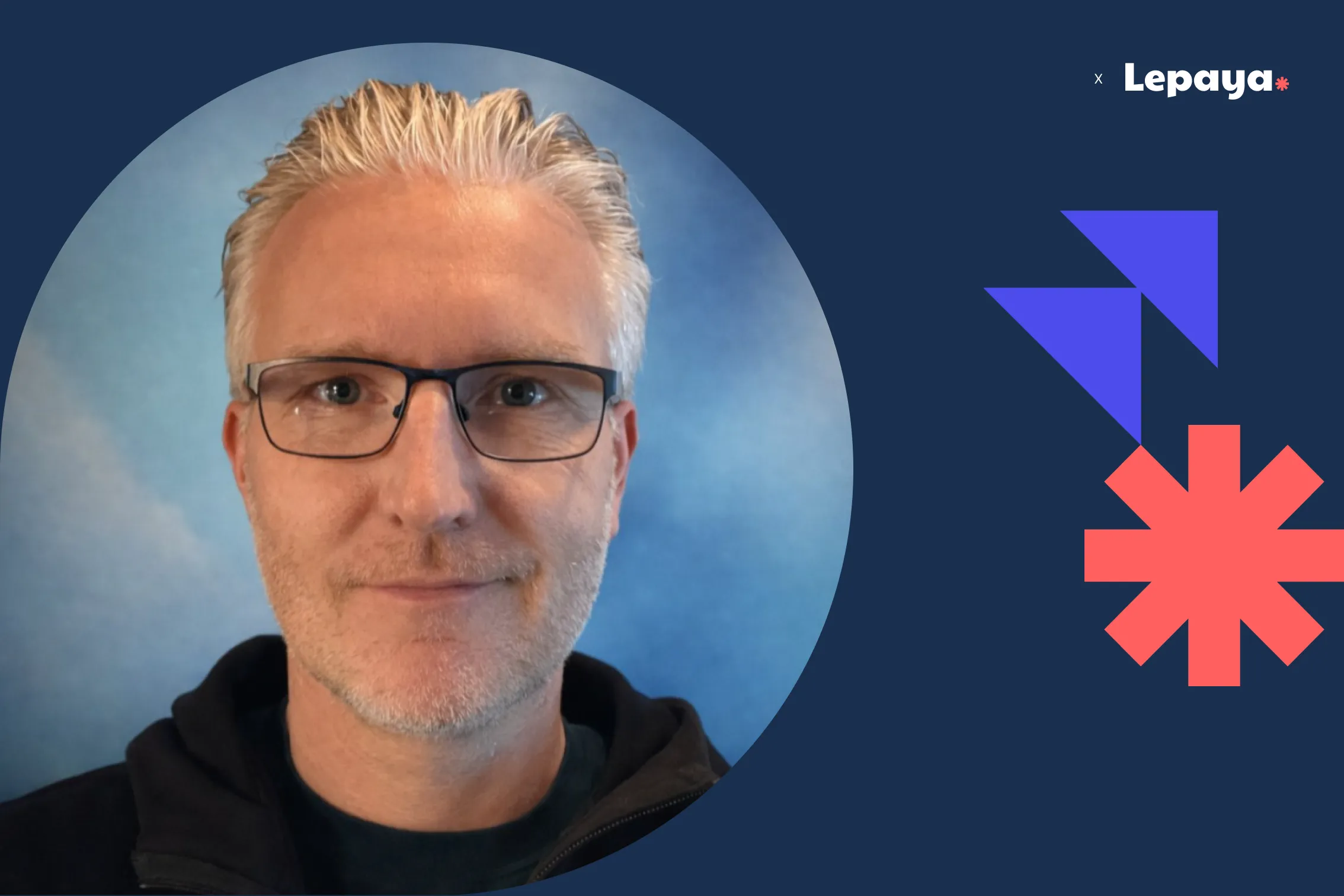
Ivan Fedorovskiy kicked off his time at Lepaya in July 2019 when he first joined as a Business Development Intern. Today, Ivan is part of the Business Excellence team, who strive to bring Lepaya to the forefront of L&D training providers. Ivan and I chatted about his time in university, coming from Russia to Amsterdam and finding his groove in Rotterdam School of Management. Meet Growth hacker Ivan!
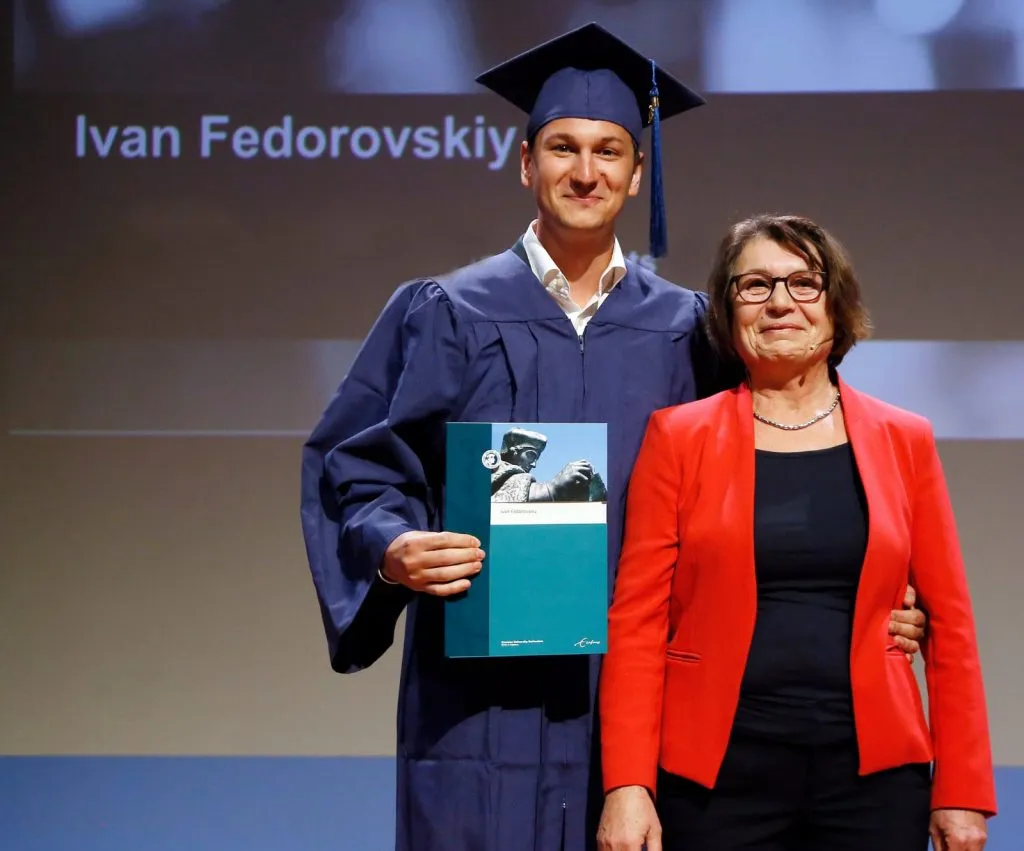
I did my bachelors in Economics and Finance in the Moscow Higher School of Economics. This bachelor’s was a double-degree program, so I graduated with two diplomas. After my bachelor’s I moved to Rotterdam to complete the Master of Management program. It’s a bit different from other programs because, first of all, it’s a year and a half long. You study for one year and then have half a year to complete your thesis, you can even combine it with your internship. Also, this was the most internationally focussed program in the whole university, which is so valuable. Being in such an international environment taught me how to communicate with people, how to work in a group, especially in an international group. I would say during that time my soft skills just skyrocketed!
During my studies I had multiple internships before I started my master. In Russia, if you don’t have three internships and a part time job by the time you finish your bachelor’s it is really tricky to get a good job. It is a really competitive labor market so by the time I completed my bachelor’s I already had two internships and a part time job. So I had quite a bit of experience working for really big companies. When I came to the Netherlands I wanted to do some work outside of my studies so I thought “why not join the business incubators in Rotterdam?”.
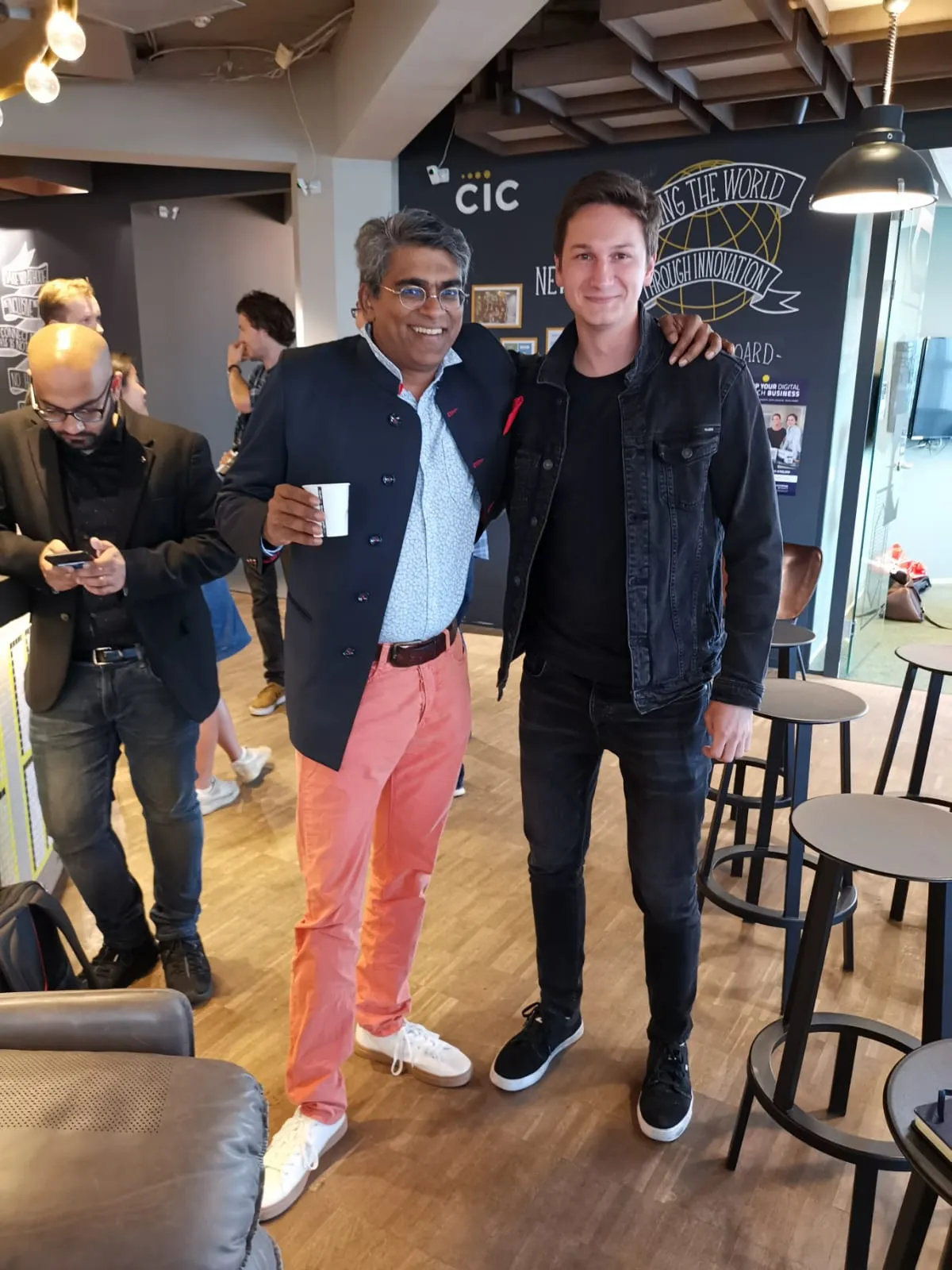
Ivan and his team facilitator at Forward Incubator
I joined Forward Incubator, a business incubator with a social cause. They help high skilled refugees who owned a business in their home country to rebuild their business in the Netherlands or try to start up an entirely new business. They get all kinds of support from different entrepreneurs, business coaches and innovators. I worked as a student consultant, so I brought my knowledge from university, about going from ideation to funding, and supported them in rebuilding in the Netherlands. What I really enjoyed about that was the start-up environment where I could really see the impact of my work.
After graduating from Rotterdam School of Management I knew I wanted to stay in the Netherlands, it is such a cool place to live. I started looking for relatively small companies hiring product managers. I really wanted to become a project manager and at the time when I was searching for it, there were two open vacancies at Lepaya. One was for Product Manager and one was for Business Development Intern. At the time I noticed there was a pretty big overlap in responsibilities so I decided to apply for the intern role instead as I felt I had a better chance of attaining this role with my experience.
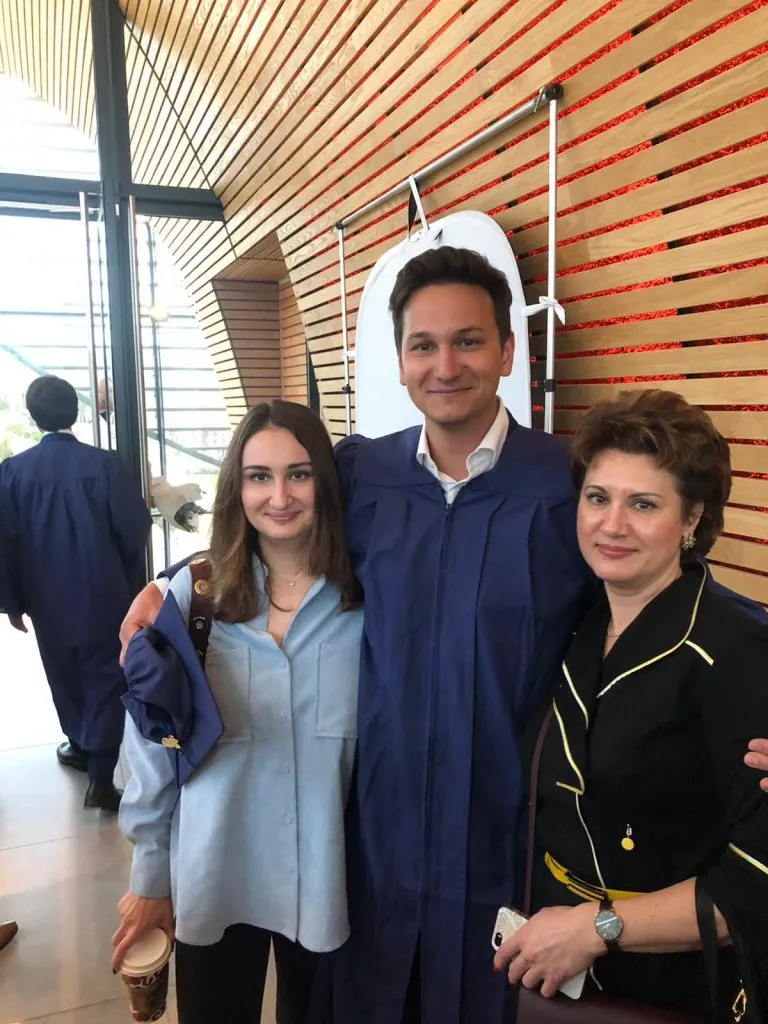
Ivan, his sister and mother at his graduation
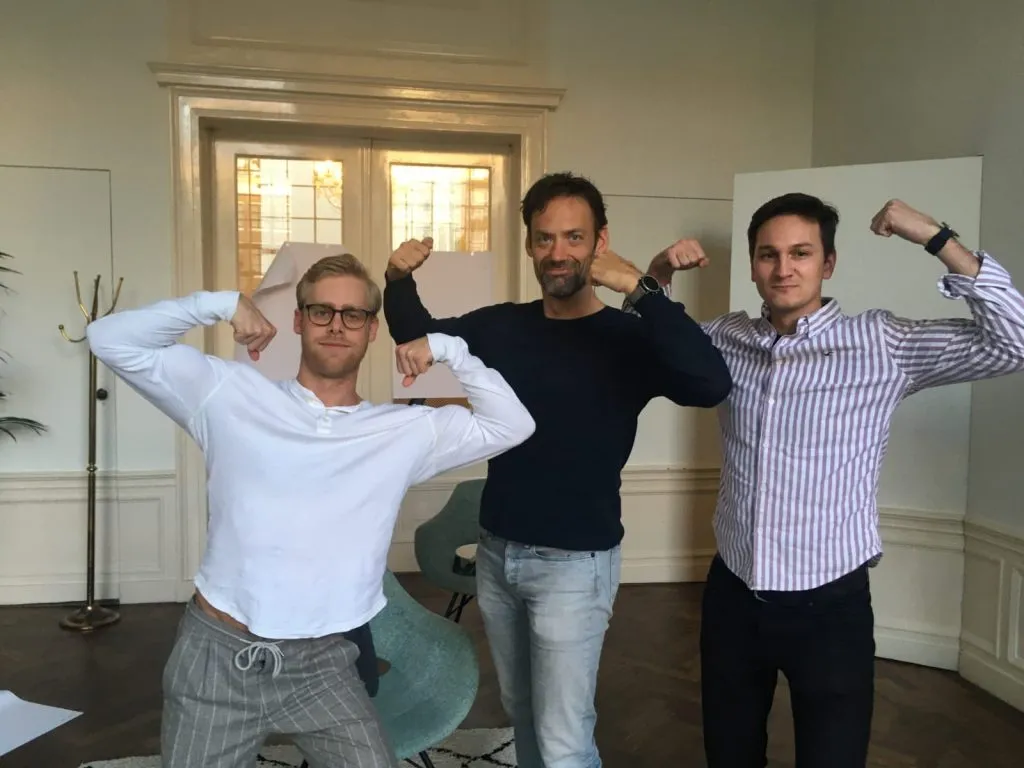
Growth Hacker Ivan and his coworkers at a Lepaya Hackathon during his internship
The startup environment means you are a part of every single team, so communicating what you want to do and what your capabilities are is always encouraged. My initial strategy was to apply for the internship, I was confident that they would accept my application as I had all the relevant experience. I wanted to start as an intern and work my way into the project manager position. I was not sure of Lepaya’s phase, but I knew they were a growing start up. I had a first call with an HR representative of Lepaya. The next step was a meeting with the cofounder. Rene and I had a really nice conversation and it turned out to be a great match. This is where my journey at Lepaya took off!
Well I recently moved from the Marketing Team to the Business Excellence Team which means that I need to control the full marketing and sales funnel in terms of numbers. My job title is Growth Hacker, the definition of Growth Hacker is that you gather data about the full funnel, based on that you decide what it is you need to improve and based on that, you run different experiments. The more experiments you run, the better you are doing your job! The first step when it comes to rapid experimentation is to make sure all the instruments you need are working smoothly so you have a solid basis to form your decision on. We used to just do this for marketing purposes but now having created the business excellence team we are expanding this across the whole company, so everyone is aligned on what we are trying to achieve and looking at reliable data to do so. In general, this is what I am doing and at the moment we are trying to work as an analytics department and providing everyone with the right data and good insights helping everyone improve their KPIs and performance.
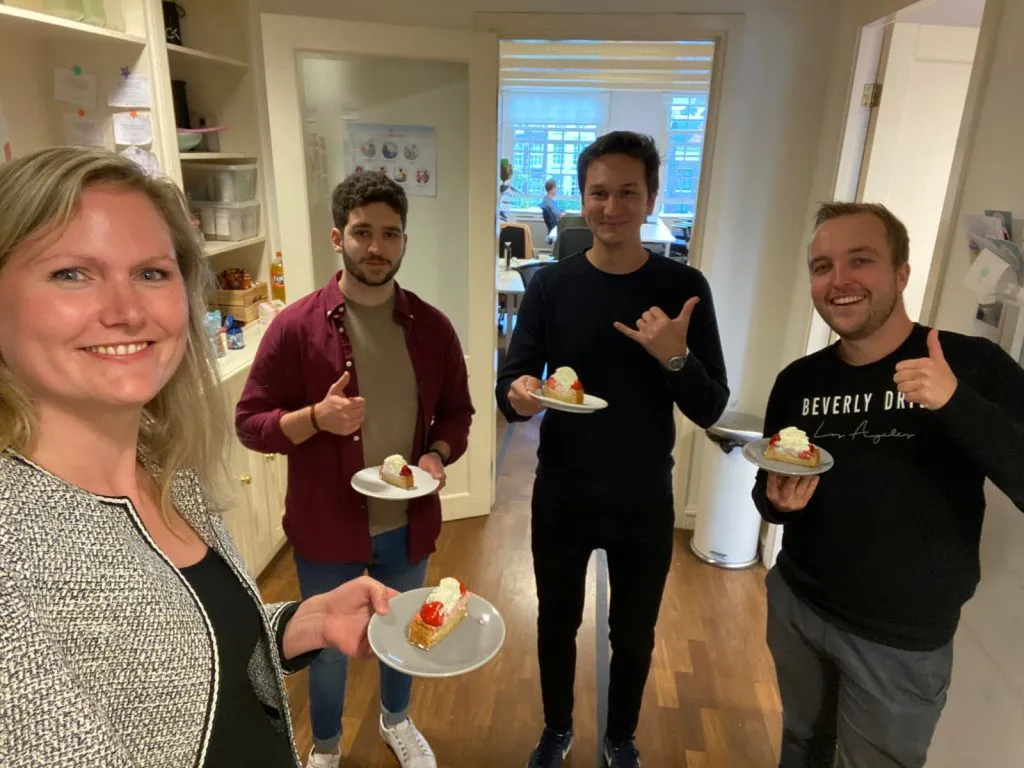
Lepaya’s marketing team in the office (pre-covid) enjoying some treats!
Since my first day I have enjoyed working at Lepaya, first of all because of the working culture but also because our values are something that I really relate to and use everyday. They remind me to be more entrepreneurial, proactive and strive for excellence. The culture Lepaya has means there is always an opportunity to contribute to something. What I see from working with Peter and René and other Lepayans is that when they look at you they see you as a professional. They expect a decision from your side and not the other way around, it is not a top down approach. Which challenges me to learn more and also to be responsible for what I am doing. This is what takes a junior employee to the next level to become a professional. My learning curve is becoming steeper and steeper everyday because of the space to take responsibility and come up with your own initiatives without being undervalued.
Also, the people! In the last week of my internship, we met with the co-founders and had to share insights into our time at Lepaya. My first thought was that every single person I knew at Lepaya was not only easy to work with, but also so motivated and passionate about what they are doing. The people at Lepaya are on the same page and working towards the same goals. Everyone is so open minded and proactive and passionate about what they are doing which is super cool to see. To me, this means the hiring process is done exactly right, the culture is the right one and all those factors combined create a smooth HR experience for everyone who joins Lepaya. Working with such motivated people makes you determined to reach higher and set bigger goals.
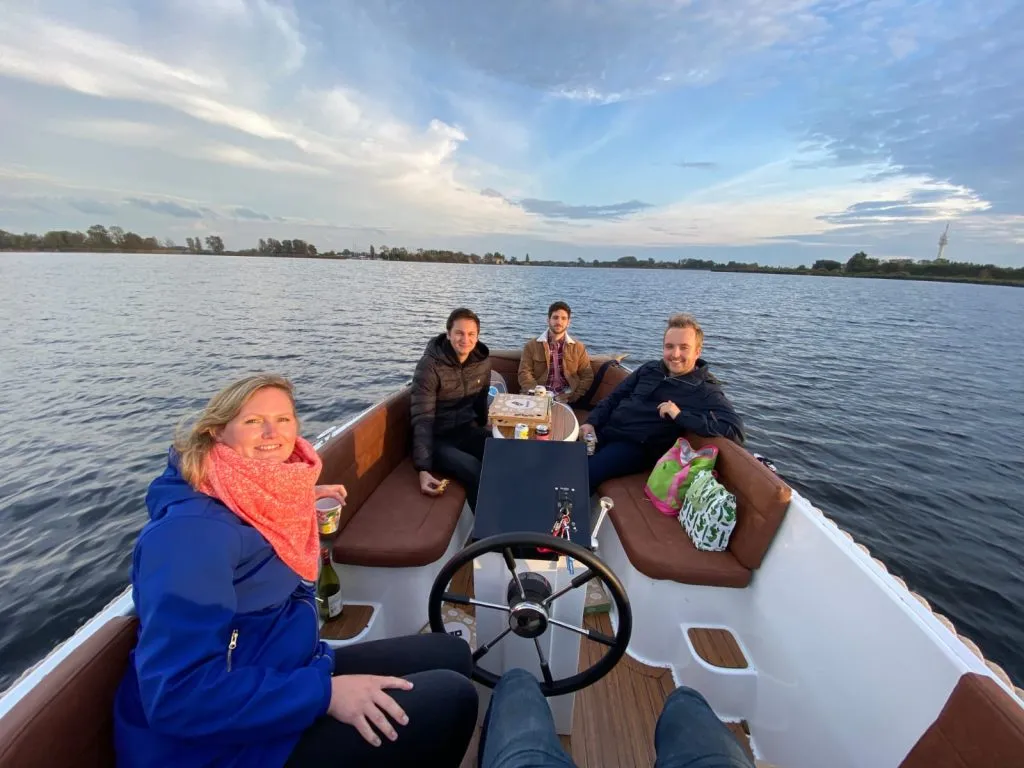
Ivan and his marketing coworkers team-building on a boat!
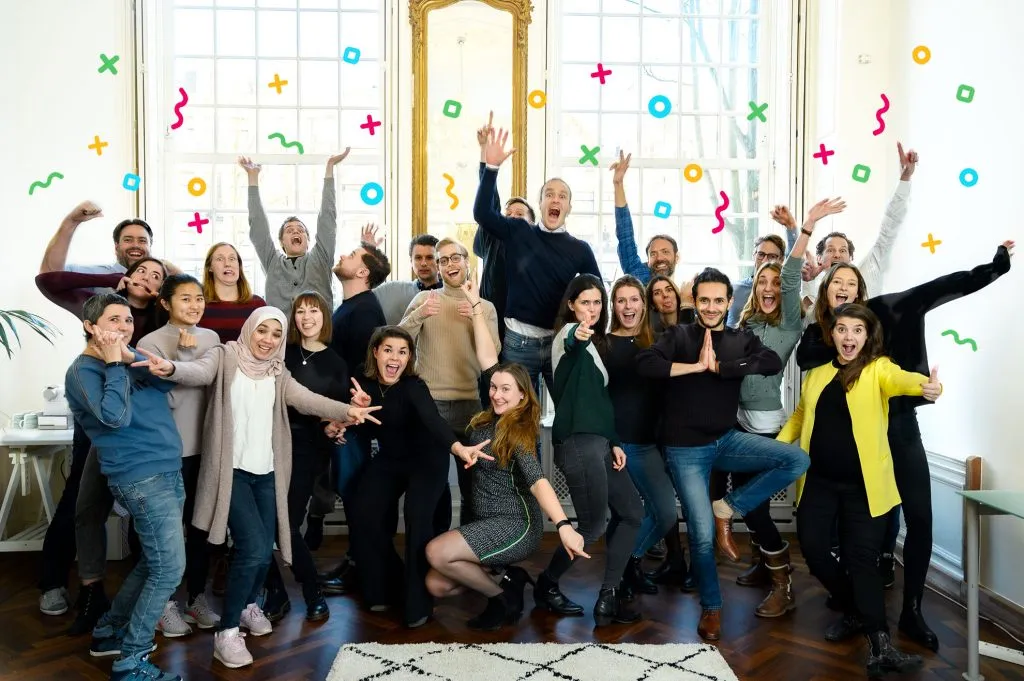
Lepaya gives you the opportunity to exceed expectations, learn an abundance of new skills and create a career path that helps you to achieve success. If you want to join Team Lepaya, be sure to check out our vacancies!
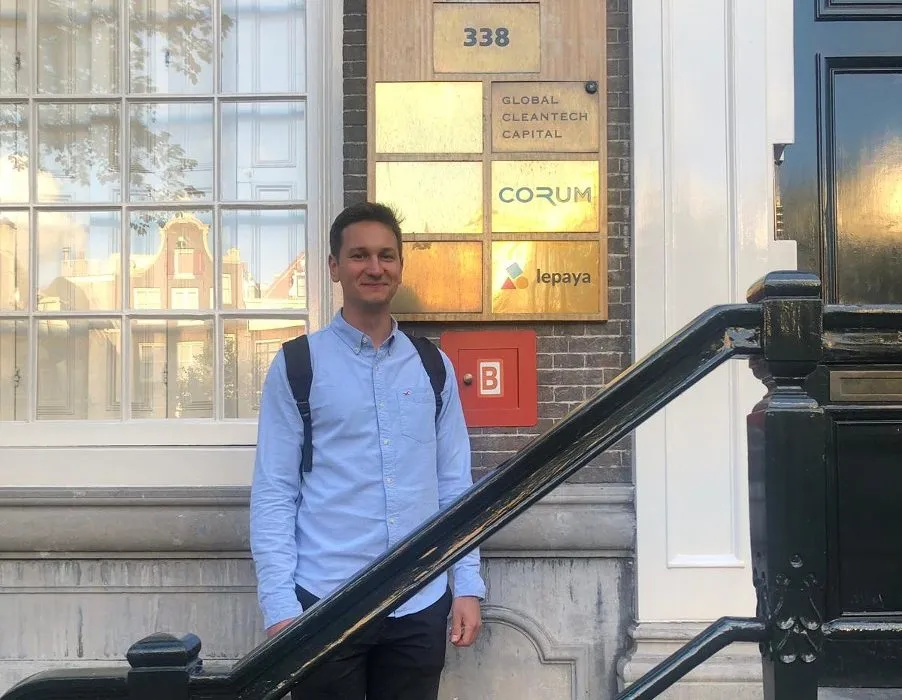
Ivan joined Lepaya as an intern, worked his way into his role as Growth Hacker and has been a vital member of the team since July 2019. If you would like to have a chat with Growth Hacker Ivan himself, reach out!

We offer a scalable employee training solution. It lets you continuously upskill your people.
Book a call.webp)

Review by:
Senior leadership and boardroom teams invest heavily in commercial strategies to win market shares. Yet the most important and honest information driving strategy circulates in teams underneath, never making it to the table where decisions are made.Jeroen Kraaijenbrink, Executive Coach and Strategy Consultant at Kraaijenbrink Advisory, has spent years working on what he calls the honesty gap. We sat down with him to understand what the honesty gap actually is, where it lives in organizations, and why fixing it requires a leadership shift.How do you define the honesty gap?There's a narrow definition and a broad one. The broad one is: we have created organizations and systems where it's barely possible to be honest to yourself, about yourself, and honest to other people.Honesty isn't just lying. It's integrity, being authentically connected to other people and being aware of your own emotions and your own biases.The honesty gap, in a narrow sense, is the fact that truth and information don’t travel vertically upwards in a company. It's often hard to speak openly to your manager because it’s become rational not to. Many people have the experience: 'I've tried it once but then I was punished for it, or was ignored, so let it be, never mind.' That's the fascinating part: it's not good for people, it's not good for organizations and yet we somehow keep this system intact.Is it less about individual dishonesty and more about a collective culture?A lot of the most important information going through your company is between people and in conversations. You need to find a way to have an honest conversation, where the things that matter get on the meeting table, not just in the informal circuit. And I think that's pretty rare.A more systematic definition is that we're not using the collective intelligence of a company enough. We can radically improve it because we’ve made it rational to hide the truth and to keep things to yourself. A lot of it may not be intentional, but the very fact that someone is in a position above you automatically creates this tension: 'What do I show? What don't I show? Because my next performance appraisal is coming up.'Where does the honesty gap typically show up first, and who owns the problem?It starts with leaders. Solving it needs one leader at the top, the CEO at least, being open and reflective enough to admit that there is an honesty gap and that they are part of it. That's the self-reflection you need for any improvement and any change. Like in coaching: you need to be aware that there is stuff to improve. You don't need to be a perfect leader, but you need to be open enough to admit that there is an issue.You talk about the 'persona trap', what is that?You're stuck in a persona where you perform in a certain way within your company. You have a role, a position, a reputation, and that locks you into specific behaviors. The worse the match between who you are as a person and how you need to show up in your organization, the more inner conflict that’s created. Especially at the top, it’s a problem for many executives. They're supposed to be the people who know it all and be decisive. While if you're honest, you don't necessarily know everything, you’re uncertain and have anxieties.The inner core of the honesty gap is breaking the performance, breaking the acting you feel you must do. If you've put yourself in a role of being the strong, decisive, number-oriented leader, that's how you have to behave. But most people don't feel very comfortable in that kind of role because it's not who they are.Can you fix the honesty gap through individual coaching alone or does the system have to change?Part of it is a personal change, part of it is a system change. You can be on your own and be very authentic, but if the system doesn't change at all, you’ll struggle to break the honesty gap.What you need to do is work on the people, the culture, and the system. Ideally that has to include the top, because otherwise it stays at the level of the person being coached. If it's a team lead or a mid-manager, that person can partly create an island in the organization, a safe space for their team and their department. But still, the appraisal systems, objectives, and culture are company-wide. Why is this so hard to shift, even when leaders recognize the problem?We have normalized this idea that you have to be strategic in what you tell and what you show. You have to show up in a certain role at work. It's also the result of how we have separated work from life, which is a very unnatural thing. It's from the industrial age, because for any other species, work is life. But now there’s a split between work, with all the routines in companies, and then your private life. There's just one you, you're the same person at home as you are at work. The good news is that the honesty gap can be closed. While many companies have unintentionally created environments where people hesitate to speak openly, organizations prioritizing trust, authenticity, and psychological safety can unlock a competitive advantage. When employees feel safe to share concerns, ideas, and perspectives, collective intelligence grows, decision-making improves, and stronger relationships emerge across every level of the business.
Close skill gaps, accelerate growth, and future-proof your workforce.



.webp)
.webp)

.webp)